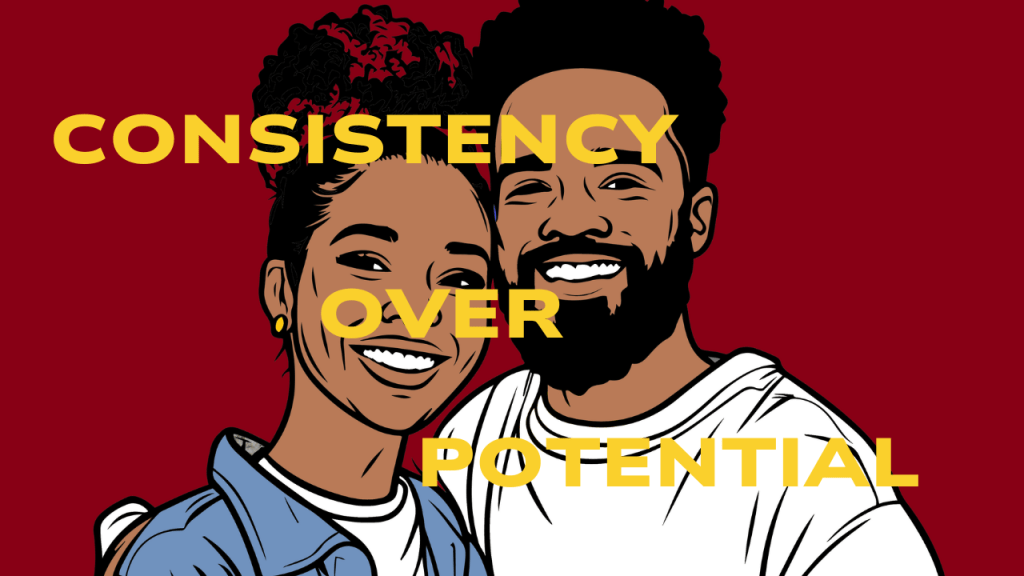
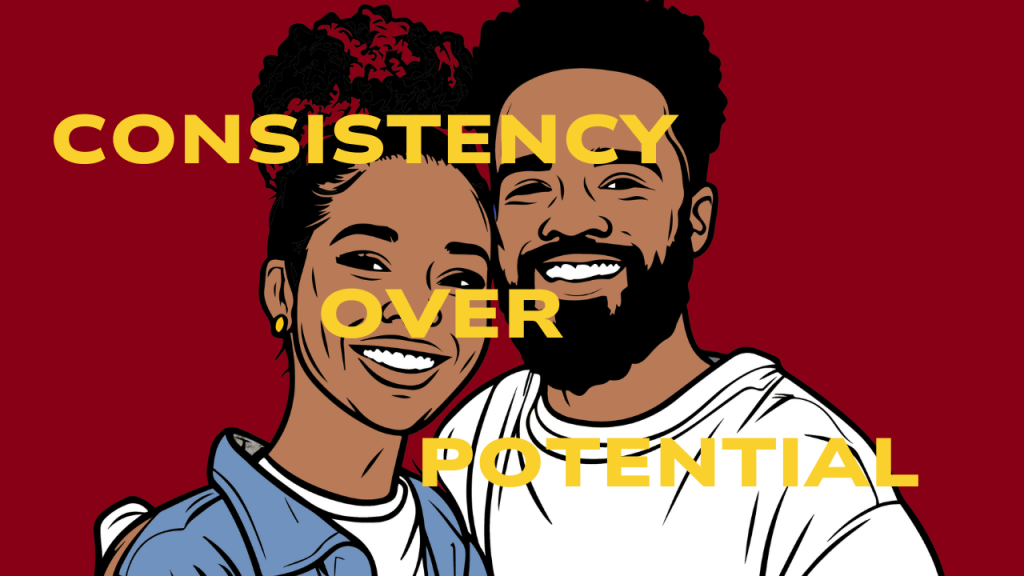
She remembered Ethan first. He was ambitious, charismatic, and always talking about what he wouldbecome. On their early dates, he spoke passionately about future projects, future success, and future stability. Lena was drawn to the vision. She believed in encouraging growth, in seeing the best in people, and Ethan seemed full of promise.
But his actions never matched his words.
Texts went unanswered for days. Plans were made enthusiastically and canceled casually. When Lena expressed how it made her feel, Ethan reassured her with explanations rather than changes. “Once things settle down,” he’d say. “Once I get through this phase.”
Lena stayed, convinced that patience would turn potential into reality.
Then there was Ryan. He was emotionally intense, deeply expressive, and quick to connect. He spoke about healing, transformation, and destiny. The connection felt powerful—almost spiritual. Lena mistook emotional depth for reliability.
Ryan showed up when things were exciting, but disappeared during stress. When life became ordinary or demanding, he would pull away, resurfacing later with apologies and insight, but no consistency. Lena spent more time processing the relationship than enjoying it.
Each time, she told herself the same story: They’re just going through something. They’ll grow. They just need time.
What she ignored was how she felt in her body—anxious, waiting, overthinking. She lived in anticipation rather than security. Her nervous system learned unpredictability and labeled it attraction.
The pattern repeated. Men with ideas, charm, and “one day” energy. Relationships built on what could be, not what was. She invested emotionally ahead of evidence, filling gaps with hope.
After the last disappointment, Lena sat alone one evening scrolling through old messages—unanswered questions, half-kept promises, conversations that ended mid-thought. She realized something painful but clarifying: none of these men had been consistently present, even when they cared.
They weren’t bad people. But they weren’t stable partners.
That realization shifted her internal compass. She understood that potential is not a relationship—it’s a projection. Consistency, on the other hand, requires effort, maturity, and choice.
When Marcus later entered her life, he didn’t overwhelm her with vision or intensity. He simply showed up. At first, it felt unfamiliar—almost boring compared to the emotional highs she was used to. But over time, that steadiness rewired her understanding of connection.
She saw clearly what she had missed before: consistency is not the absence of passion—it’s the presence of safety.
And for the first time, Lena chose what was over what might be.
At first, there was nothing remarkable about the friendship between Lena and Marcus. No dramatic meeting. No instant spark. They met through mutual friends and began seeing each other regularly in ordinary settings—coffee after work, group gatherings, and short check-in calls that lasted longer than expected. What stood out wasn’t excitement; it was consistency.
Marcus was always there, not in an intrusive way, not with grand gestures, but in the quiet reliability of presence. If Lena mentioned a stressful week, he checked in. If she canceled plans, he didn’t disappear—he simply rescheduled. Over time, that steadiness became familiar, then comforting.
Lena had known people who arrived with promises and potential—big talk, intense interest, emotional highs that burned out quickly. This felt different. Marcus never tried to impress her. He listened. He remembered details. He showed up the same way on calm days as he did on hard ones.
Their friendship grew slowly, shaped by shared routines rather than emotional intensity. Weekly walks turned into deep conversations. Jokes layered over mutual understanding. They learned how each other thought, what triggered stress, and how each handled disappointment. There was no pressure to define anything. The absence of urgency allowed trust to form naturally.
When life became difficult for Lena—long hours at work, a family health scare—Marcus didn’t step back. He didn’t suddenly become distant because things weren’t light or easy. He stayed steady. That consistency did something subtle but powerful: it made Lena feel safe.
It wasn’t that she suddenly “fell” for him. It was more like she woke up one day and realized he had been woven into her life. His voice felt familiar. His presence felt grounding. The friendship had created a foundation that attraction alone never could.
Marcus, too, began noticing the shift. He realized that what he admired most about Lena wasn’t surface-level chemistry—it was her integrity, her resilience, the way she showed up for others. His feelings didn’t erupt; they deepened. What had started as loyalty became affection, and affection matured into something intentional.
When they finally spoke about it, there was no fear or rush. The question wasn’t, “What could this be?” but “Do we already trust each other enough to build more?” The answer was clear because the work had already been done through time, reliability, and shared experience.
What made their relationship strong wasn’t potential or fantasy. It was proof. Proof in answered calls, honest conversations, kept promises, and mutual respect. Their bond didn’t rely on excitement to survive. It was sustained by presence.
As they stepped into something more, nothing was lost. The friendship didn’t disappear—it became the backbone of what followed. Romance added warmth, but consistency gave it structure.
They learned a quiet truth: attraction may start interest, but consistency builds trust—and trust allows love to grow without fear.
“Let us not love with words or speech but with actions and in truth.”
— 1 John 3:18
 Purpose In Love
Leave a comment